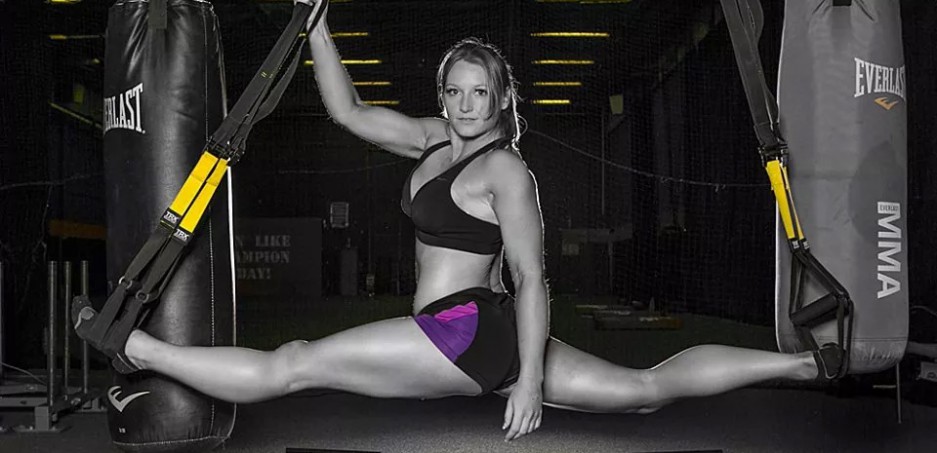
In the past 3 years, I cannot tell you the benefits I’ve gained from being able to self coach. I first noticed this in yoga, then my weightlifting, my skiing, and now in nearly every realm of my life. What is self coaching? It can vary. To maybe help lead you to a point of self coaching, I’ll take you along my journey (thus far).
I have a dear friend who is an avid Bikram Yoga practitioner. She convinced me to come along to a few classes and I survived the temperature and humidity to make it through several. After the shock of the first class, I was able to begin listening to the cues of the instructor: what I should be feeling, where I should be feeling, ways to deepen the stretches, hand positioning, etc. By paying attention to these cues, I was eventually able to remember the cues myself and begin making the minute corrections in each pose prior to being ‘cued’. This led to an increased body awareness: which movements and patterns felt good or were difficult, which body parts were the easiest for me to focus on in order to attain the desired outcome, how did my breathing affect the desired outcomes, etc. It dawned on me that this was the mind/body connection I kept hearing about in yoga.
After having this breakthrough realization, I became more cognizant of my mind/body connection while in the gym. I used it to monitor my positioning and muscle engagement during specific exercises, holistically to determine an overall assessment of fatigue/strength/conditioning, my flexibility and specific muscle or joint tightness, and my comfort/progress with specific lifts. I began being able to take these self assessments and use it to determine when I needed additional periods of rest in my life, when I could push harder or further, when I needed to actually get some more sleep/rest/recovery, when I was properly feeding myself, etc. It’s not to say that I’m perfect at it – I still get regular feedback from my coach when there are deficiencies I’m not cognizant of or when my technique can stand improvement. It has helped me identify when it’s appropriate to ask him questions (i.e. “this isn’t a normal feeling for me – am I doing something wrong, etc”).
The honing of this ability led to some of the greatest breakthroughs in my skiing I have ever experienced. Not having to rely on an independent observer to tell me when I’m out of balance or squaring up to my skis, or bracing, etc has allowed me to dramatically improve my own skiing at a much faster rate than having to hear it from someone else, try and remember what that felt like, and then trying to implement a correction.
I’ve realized that no matter how helpful and amazing and insightful a coach is, they will never be as motivated to improve you as you can be (they just don’t have the time and resources for that to be a possibility unless you’re perhaps taking about the extremely professional level such as Tiger Woods or Ted Ligety and even there you KNOW those athletes are self coaching as well because THEY are motivated. They will also never have the sensory input and knowledge about you that YOU have. So start becoming familiar with yourself. your movements, your strengths, your weaknesses, your tendencies and habits, your motivations. Analyze and assess yourself regularly. Provide yourself feedback and make adjustments as a result. Analyze the effects of those adjustments to determine if the self coaching was positive or helpful and refine from there.
The best part of self coaching is that the more you do it, the better you get at it and the easier you can translate it to other realms (such as other sports/activities or across into professional development, non athletic hobbies etc). If you keep striving to better yourself, you’ll always find ways to do it (and people willing to help).
 smrtraining