So I have the privilege today of fulfilling my civic duty at the courthouse for jury duty. While sitting here, I realized that not only is this an opportunity to serve my community, but it is also an opportunity for me to get some planning done. Many people underestimate the importance of planning. I’ve been fortunate in my life that my parents taught me how to analyze problems, goals, and my daily plans to ensure I had a plan to accomplish the things I wanted and needed in life.
I plan every single day and most of you do too – you just may not be as cognizant of it. Each evening before bed, I try and review my schedule for the next day so I can plan all of the materials I’ll need, logistics of movement, and parties involved. Except last night. And it’s killing me.
Usually on Tuesdays, I have the good fortune of being able to work from home. I typically wake up and go to the gym, knock out my workout, and then come home and leisurely get ready for the remainder of the day ahead (planning meals, appointments, work blockage, and errands). I had banked on this last night and didn’t review my schedule or work through logistics. This is how I find myself in the courthouse with no work laptop, no access to my work email, no out of office message set up, and no packed food. Did I mention no packed food?
This failure to plan caused me to miss my workout, set me behind at work, will force me to choose foods from whatever selection they have at the cafeteria, and has altogether put me in a bit of a tailspin where I feel like a dog chasing its tail. Hindsight being 20/20, I clearly should have planned better. Just by simply reviewing my calendar I would have done the math and known that to get my workout in, I would have to go to the early class…that I could have updated the work email app on my phone so I would have remote access….that I could have brought my work laptop (by checking the voicemail or website message on the County website)…I could have prepared and brought my lunch…etc.
In the grand scheme of things, this is not a big deal however; it does reinforce to me the importance of planning if you want things to go smoothly or have the greatest chance of success. Especially as I see the ripple effect that one ‘off’ planning session can have on so many aspects of my life. If you’ve got something important to you that you’re working towards: a fitness or health goal, a training or strength goal, a work or professional achievement, or a personal or financial goal then this holds especially true. SO, I thought I’d share with you what I include in my planning (you know, since I can’t do much else at the moment). I’ve decided to work towards my PSIA Alpine Level III certification. This is the basics of how I plan for it:
Research stage (this is where I determine what is involved):
~Time commitment: There are going to be regular clinics, exam prep clinics, prerequisite courses, prerequisite certifications, practice skiing time, book learning, discussions, and conditioning required (and probably more but this is what I’ve come up with so far). Based on my Level II experience, I know the time commitment will vary by season and year but will become increasingly more demanding
~Monetary commitment: I’ll have to pay for the prerequisite courses (registration fees, travel, lodging, food, etc), fuel for the clinics, the books and materials, and beers for my peers who I will pester with questions
~Actual achievement threshold: I’ll be printing and reviewing the exam guide and study guide to see the actual requirements to achieve each section, reviewing the requirements for additional certifications, the timing requirements to complete those, and reviewing Dave Capron’s video of the exam tasks to ensure I have a clear comprehension of those I could be asked to complete at any exam. I’ll also begin asking others about their experience preparing for the same exam to see what words of wisdom they have
Game plan/Implementing stage (this is where I develop the plan to work towards the achievement needed and implement at the correct timeframe- it is important to actually set hours, numbers of sessions, etc to get a grasp of what is actually needed from a time perspective and then to throw in the monetary component to ensure I can swing it)
~Phase 1 {March 2015 – October 2015}: For the remainder of the spring season, I’ll attend the exam preparatory clinics available in order to get a baseline understanding of my individual free skiing and exam tasks to see where my shortcomings are and determine the best drills and progressions to begin working towards improving them. I’ll also spend approximately 30 minutes each day during or after my workout doing sport specific strengthening and mobility drills to improve my conditioning, strength, speed, and mobility to ensure I’m in the best shape I can be for the beginning of next season (this is especially important at the Level III arena as the skiing is much more dynamic). Approximately 1x/week I’ll review sections of my PSIA manuals, pertinent ski articles, teaching/learning methodologies, and industry literature for 1 hour.
~Phase 2 {October 2015}: This is when I will plan out my ski season for schedule, events, training, and certifications: this usually takes me about 2-3 hours or so spread over a week’s time. I’ll also brush up specifically on my teaching progressions in anticipation of the season starting 1x/week and begin attending the movement analysis clinics offered preseason by our mountain 2-3x/month. I’ll make sure my equipment is in good condition and working order and do a physical analysis to ensure I am appropriately conditioned (adding whatever additional physical training necessary at this point).
~Phase 3 {Start – Mid Season 2015/2016}: I’ll begin teaching whenever Liberty opens but ensure I get an early season ski trip in to ‘get my ski legs’ under me since I know this will be an intense season. I will definitely be attending ProJam where I will ensure my group and my clinician are aware of my goals so they can help support me (and vice versa) during the weeklong event. I will do an analysis (with others’ input) at this time of my intended schedule for the year and complete another ‘check’ on my skiing progress at this time given the long break. I’ll attend regular ski clinic 1x/week and ensure I am up early at least 1 additional day in order to have devoted practice time. I’ll also attend the weekly exam prep clinics to continue progress and have regular structured practice for exam tasks. I will also prepare (in earnest) for the additional courses or certifications I have selected for the season. During this phase, I expect to be devoting my regular 14+ hours/week for my schedule, an additional 6-8 hours/week for clinic/practice hours, and 2 hours/week for reading/course prep.
~Phase 4 {Mid Season – End of Season}: I’ll complete a mid season analysis with trusted advisors to determine what changes need to be made to the remainder of my schedule, planned events, and training regimen. I’ll also hope to coordinate one of my late events at a location that is also hosting a Level III exam simply to get the exposure to the level of intensity, pacing, and terrain selected for the various tasks from one of those participants.
~Phase 5 {March 2016 – ?}: Repeat and reanalyze periodically until achieving the skiing standard at an exam.
Analysis
~EveryWeek: Each week I will determine if I did what I was supposed to towards my goal, what I need to do the upcoming week, what changes I may need to make to the anticipated timing or requirements, etc
~Periodic: Every few weeks I’ll seek out feedback from other individuals about my progress and their views as to timing, changes needed, or achievements reached.
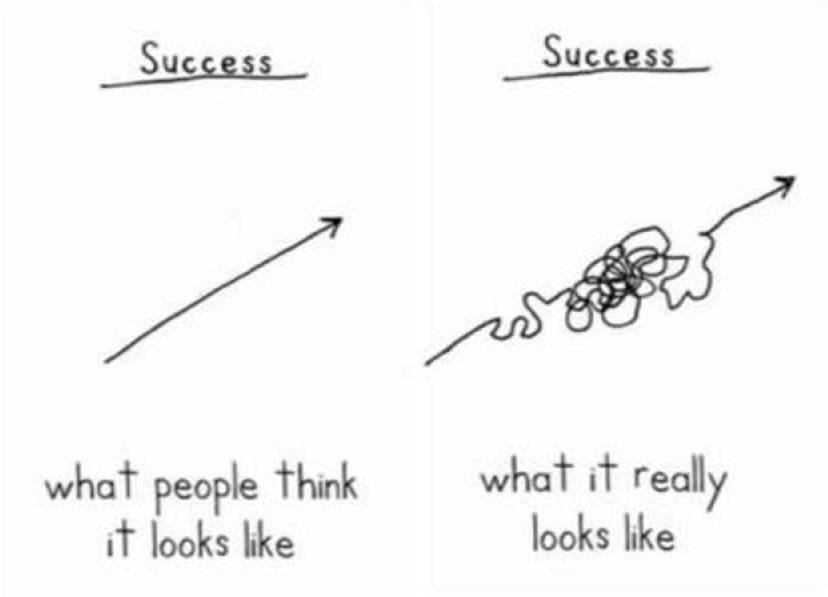
Using these weekly and periodic assessments will allow me to change the game plan and implementation of the game plan in order to continue working towards the Main Goal.
Now of those of you who don’t ski…it doesn’t matter as the structure stays the same whether you’re trying to get a new job, lose 20 lbs, increase your max deadlift, or learn the guitar. Develop a plan, implement the plan, and routinely analyze the plan for deficiencies/achievements to keep it relevant. It doesn’t take a lot of time to make a good plan…just a bit of focus and a LOT of follow through.

 smrtraining